

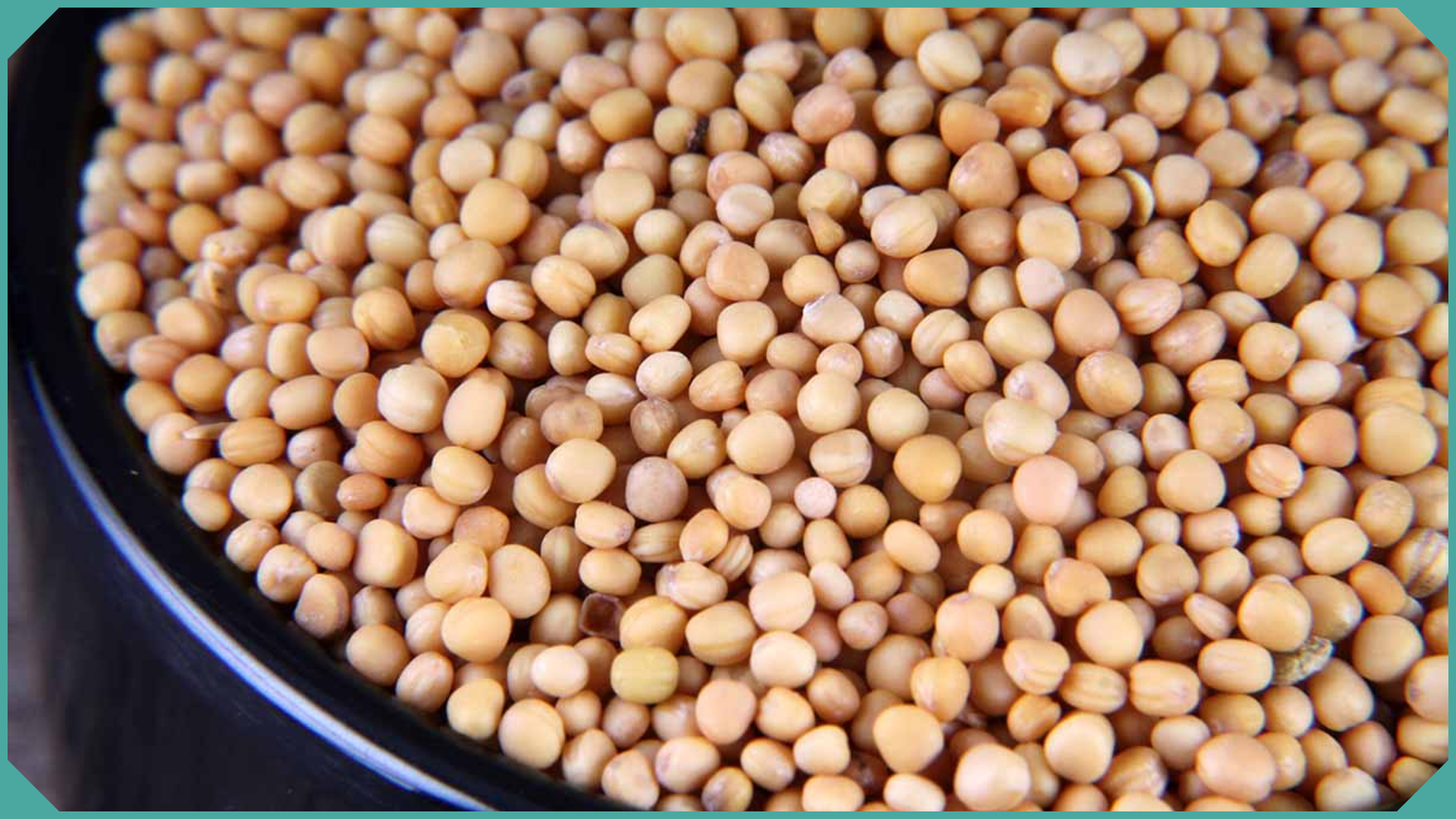
The Wonders of Yellow Mustard Seeds: A Complete Guide
Yellow mustard seeds are small yet mighty, offering numerous culinary, health, and agricultural benefits. Widely used in kitchens around the world, these seeds bring depth to various dishes and also pack a punch when it comes to their health properties. Whether you’re exploring the world of spices or are keen to learn about natural remedies, yellow mustard seeds are an ingredient worth understanding. In this article, we’ll dive into the many facets of yellow mustard seeds, from their uses in cooking to their impressive health benefits.
What Are Yellow Mustard Seeds?
Yellow mustard seeds, scientifically known as Sinapis alba, are one of the most commonly used types of mustard seeds. These small, round seeds have a pale yellow or golden hue, distinguishing them from the darker varieties like black and brown mustard seeds. Native to Europe and parts of Asia, yellow mustard seeds have become a staple in many cuisines, especially in Western and Asian cooking.
These seeds are typically dried and ground to make mustard, which is an essential condiment in countless dishes, from hot dogs to salad dressings. However, the seeds themselves offer more than just a flavoring agent. They are loaded with essential nutrients and bioactive compounds that can have a significant impact on your health and wellness.
The Nutritional Profile of Yellow Mustard Seeds
Yellow mustard seeds are more than just a spice—they are packed with vitamins, minerals, and other beneficial compounds. They contain:
Vitamins: Yellow mustard seeds are a good source of vitamin C and vitamin A, both of which support immune health and skin vitality.
Minerals: These seeds are rich in minerals like calcium, iron, magnesium, phosphorus, and potassium. These minerals are essential for bone health, energy production, and overall bodily function.
Dietary Fiber: Yellow mustard seeds contain fiber, which helps support digestive health, regulate bowel movements, and reduce cholesterol levels.
Antioxidants: Rich in antioxidants, these seeds may help protect your cells from damage caused by free radicals, reducing the risk of chronic diseases.
Essential Fatty Acids: Mustard seeds are a source of omega-3 fatty acids, which are known for their anti-inflammatory effects.
Incorporating yellow mustard seeds into your diet can be an easy way to boost your intake of these essential nutrients. But what exactly can you expect in terms of flavor and culinary applications?
Culinary Uses of Yellow Mustard Seeds
Yellow mustard seeds are a versatile ingredient in the kitchen, adding both flavor and texture to a variety of dishes. Whether you are preparing a traditional Indian curry, making a tangy mustard sauce, or spicing up a vegetable stir-fry, yellow mustard seeds can be used in several ways:
Whole Seeds
When used whole, yellow mustard seeds add a subtle, mild flavor to dishes. They are often used in pickling recipes or added to hot oils, where they pop and release their flavor. In many Indian and Middle Eastern recipes, mustard seeds are used in tempering—a technique where the seeds are fried in oil to release their essential oils, which infuses the dish with a rich, aromatic flavor.
Ground Mustard
Ground yellow mustard seeds are a key ingredient in mustard condiments, such as yellow mustard sauce. Ground mustard powder adds a tangy and slightly spicy flavor to sauces, dressings, and marinades. It can also be incorporated into baked goods, soups, and meat dishes to enhance flavor.
Mustard Oil
Yellow mustard seeds are used to produce mustard oil, a cooking oil that is especially popular in Indian, Bangladeshi, and some Southeast Asian cuisines. The oil is often used for frying, sautéing, or drizzling over dishes for added flavor. It has a pungent taste and aroma that sets it apart from other vegetable oils.
Mustard Greens
In addition to the seeds, the leaves of the mustard plant—called mustard greens—are also consumed. These greens are known for their peppery taste and are commonly used in salads, soups, and stews.
Health Benefits of Yellow Mustard Seeds
Yellow mustard seeds aren’t just for enhancing the flavor of your meals—they also offer a wide range of health benefits. Here’s how incorporating them into your diet can positively impact your well-being:
Supports Digestive Health
Yellow mustard seeds are known for their high fiber content, which helps promote healthy digestion. The fiber in these seeds can support regular bowel movements, reduce constipation, and enhance gut health. In addition, mustard seeds have been traditionally used to relieve symptoms of indigestion and bloating.
Rich in Anti-inflammatory Compounds
Mustard seeds contain compounds like glucosinolates, which have natural anti-inflammatory properties. Chronic inflammation is a contributing factor to many diseases, including arthritis, heart disease, and cancer. By including yellow mustard seeds in your diet, you may help reduce inflammation and protect your body from related health issues.
Boosts Metabolism
Yellow mustard seeds have been shown to have a thermogenic effect, meaning they can help increase metabolism. The seeds contain a compound known as sinigrin, which has been linked to improved fat burning and calorie expenditure. This makes them an excellent addition to weight management routines.
Provides Pain Relief
Traditionally, mustard seeds have been used as a natural remedy for pain relief, especially for conditions like arthritis and muscle pain. The seeds’ warming properties help stimulate blood circulation, which may reduce muscle stiffness and alleviate pain when applied topically as a paste.
Improves Skin Health
Yellow mustard seeds are packed with vitamin A, which is essential for skin health. Regular consumption of mustard seeds can help improve skin tone, reduce acne, and promote overall skin vitality. In addition, mustard seed oil is often used in massages and skincare treatments to hydrate and nourish the skin.
Yellow Mustard Seeds in Traditional Medicine
In various cultures, yellow mustard seeds have long been used in traditional medicine to treat a variety of ailments. From relieving sore throats to promoting circulation, these seeds have found their place in natural healing practices. Mustard seeds are believed to have detoxifying properties, making them an effective ingredient in detox diets and cleanses.
In Ayurveda, mustard seeds are often used in detoxifying treatments and as a stimulant for digestion. They are also used in oil treatments to improve hair growth and health. In Chinese medicine, mustard seeds are considered beneficial for relieving coughs, asthma, and chest congestion.
How to Incorporate Yellow Mustard Seeds into Your Diet
Adding yellow mustard seeds to your meals is simple and easy. Here are some ideas on how you can incorporate them into your daily diet:
Spice up your soups and stews by adding a pinch of ground mustard seed.
Make a mustard dressing by combining ground mustard with vinegar, honey, and olive oil for a tangy salad dressing.
Add mustard seeds to vegetable stir-fries for an extra layer of flavor.
Use mustard seeds in curries for a rich, aromatic experience.
Incorporate mustard seeds in pickling for a unique flavor that enhances your homemade pickles.
Conclusion: The Power of Yellow Mustard Seeds
Yellow mustard seeds may be small, but they pack an impressive punch when it comes to flavor, nutrition, and health benefits. Whether you’re looking to enhance the taste of your meals or reap the medicinal rewards of these seeds, they are an invaluable addition to any kitchen or wellness routine.
Their versatility in the kitchen and their ability to support digestive health, boost metabolism, and alleviate pain make yellow mustard seeds a spice worth keeping on hand. From culinary applications to natural remedies, yellow mustard seeds prove that sometimes, the most powerful ingredients are the ones that come in small packages.
FAQ Section
1. What is the difference between yellow mustard seeds and other types of mustard seeds?
Yellow mustard seeds are milder and have a slightly sweet flavor compared to the more pungent brown or black mustard seeds. They are often used for making yellow mustard sauce, while brown and black seeds are more commonly used in Indian and other Asian cuisines.
2. How do you use yellow mustard seeds in cooking?
Yellow mustard seeds can be used whole in tempering, ground into powder for sauces and dressings, or pressed into oil for cooking. They are a versatile ingredient that can enhance the flavor of meats, vegetables, and pickles.
3. Are yellow mustard seeds good for digestion?
Yes, yellow mustard seeds are high in fiber, which supports healthy digestion. They are traditionally used in natural remedies to relieve indigestion, bloating, and constipation.
4. Can mustard seeds help with weight loss?
Mustard seeds may help with weight loss due to their thermogenic properties, which can increase metabolism and promote fat burning. Including them in a balanced diet may support weight management.
5. How can I use yellow mustard seeds for skin health?
Yellow mustard seeds are rich in vitamin A, which can improve skin health by reducing acne and promoting a healthy complexion. Mustard seed oil is also used in skincare treatments to hydrate and nourish the skin.
Where Is Mike Sherm From? Discover the Origins of the Rising Rap Star
