

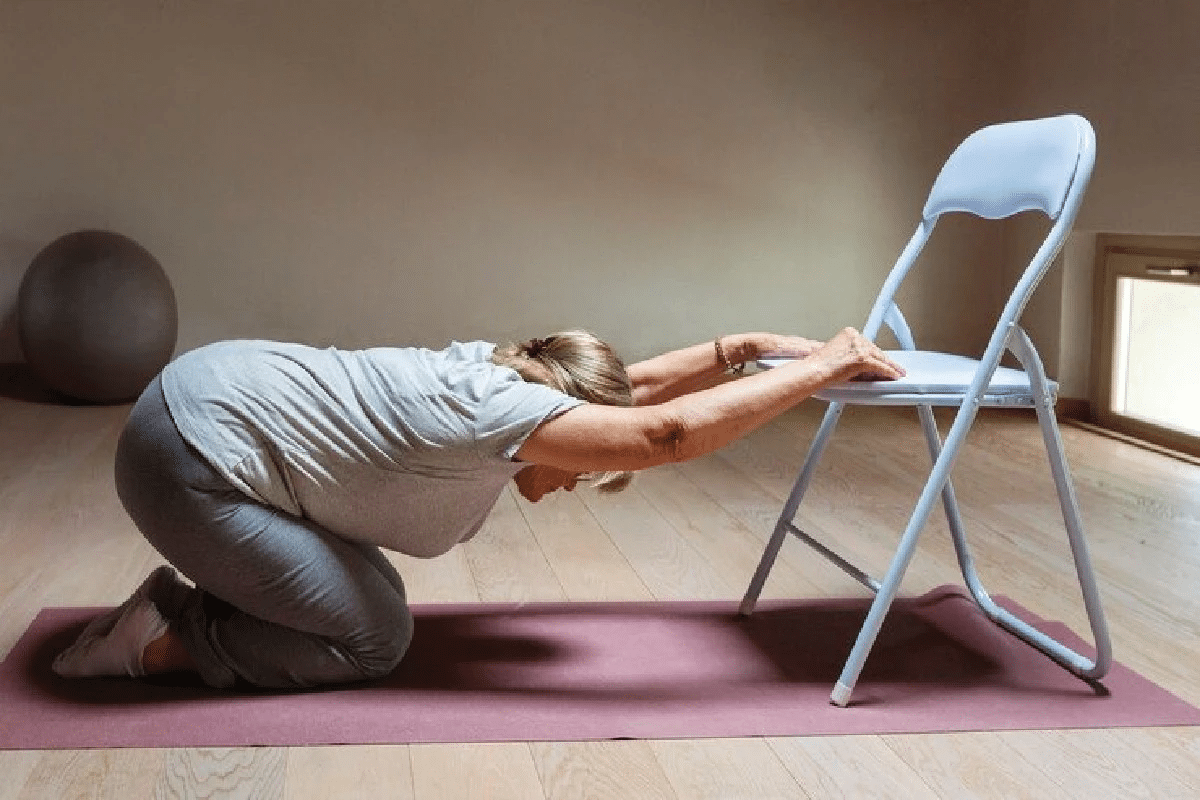
Free Chair Yoga Exercises: A Guide to Improve Flexibility and Well-Being
Yoga is a popular practice known for its ability to enhance physical and mental well-being. However, many people believe that yoga requires a lot of space, flexibility, or time to commit to. Fortunately, free chair yoga exercises provide a simple and accessible solution, allowing individuals to enjoy the benefits of yoga without the need for specialized equipment or a dedicated yoga mat. Whether you’re sitting at a desk, watching TV, or dealing with limited mobility, chair yoga exercises offer a gentle yet effective way to improve flexibility, reduce stress, and promote overall health.
In this comprehensive guide, we’ll explore the benefits of chair yoga, how to incorporate these exercises into your routine, and provide some effective chair yoga poses to try at home or in the office.
What is Chair Yoga?
Chair yoga is a modified version of traditional yoga that can be practiced while seated in a chair. It involves simple movements and stretches designed to increase flexibility, strength, and relaxation without requiring you to get down on the floor. Because it’s done while seated, chair yoga is ideal for individuals with limited mobility, seniors, or those who find it difficult to get up and down.
Despite being a gentle form of yoga, free chair yoga exercises offer a full-body workout that promotes physical health and mental clarity. These exercises can help increase circulation, improve posture, and alleviate tension in the body, especially for those who spend long hours sitting at a desk or working on a computer.
The Benefits of Chair Yoga
Chair yoga provides a variety of health benefits, including:
Improved Flexibility: Regular chair yoga exercises stretch and strengthen muscles, improving flexibility, especially in the hips, shoulders, and back.
Better Posture: Many chair yoga poses focus on aligning the spine and shoulders, which helps improve posture and prevent discomfort caused by poor posture.
Stress Relief: Like traditional yoga, chair yoga encourages mindful breathing and relaxation, which can reduce stress and promote a calm, focused mind.
Enhanced Circulation: Gentle movements stimulate blood flow, reducing stiffness and discomfort that often result from sitting for long periods.
Boosted Energy Levels: Practicing chair yoga exercises throughout the day can help increase energy and productivity by alleviating feelings of sluggishness and fatigue.
Who Can Benefit from Chair Yoga?
One of the main advantages of free chair yoga exercises is that they are accessible to almost everyone, regardless of age, fitness level, or mobility. Some groups that can particularly benefit from chair yoga include:
Seniors: Chair yoga is gentle on the joints and muscles, making it an ideal exercise option for older adults who may experience limitations in mobility or balance.
Office Workers: Those who spend long hours at a desk can use chair yoga to relieve neck, shoulder, and back pain caused by prolonged sitting.
People with Disabilities: Chair yoga can be adapted to suit individuals with physical disabilities, allowing them to practice yoga and reap the benefits of movement.
Anyone Seeking Stress Relief: If you’re feeling stressed or anxious, chair yoga offers a quick way to calm the mind and soothe the body.
Essential Chair Yoga Poses
Now that we’ve covered the basics of chair yoga and its benefits, let’s dive into some free chair yoga exercises you can try. These poses can be done at home, in the office, or anywhere you have a sturdy chair. All you need is a comfortable seat and a willingness to stretch and breathe.
Seated Mountain Pose (Tadasana)
The Seated Mountain Pose is a foundational yoga pose that helps improve posture and create a sense of grounded stability. It’s a great starting point for any chair yoga routine.
To perform this pose:
Sit tall in your chair with your feet flat on the floor.
Keep your knees hip-width apart and engage your core muscles.
Reach your arms overhead, keeping your palms facing each other.
Take deep breaths and hold the pose for 30 seconds to 1 minute.
Seated Cat-Cow Stretch
This gentle flow between two positions is excellent for stretching and releasing tension in the spine, shoulders, and neck. It also helps with breathing control.
To perform the Seated Cat-Cow Stretch:
Sit tall with your feet flat on the ground and your hands on your knees.
Inhale as you arch your back and lift your chest toward the ceiling, opening up your chest (Cow Pose).
Exhale as you round your spine, dropping your chin toward your chest (Cat Pose).
Continue to flow between the two positions for 1–2 minutes.
Seated Forward Fold
This forward fold stretches the back and legs, releasing tightness in the spine and hamstrings.
To perform the Seated Forward Fold:
Sit on the edge of your chair with your feet flat on the floor and knees bent at a 90-degree angle.
Inhale and lengthen your spine.
Exhale as you fold forward from the hips, reaching for your toes or letting your hands fall to the floor.
Hold for 20–30 seconds, breathing deeply.
Seated Twist
A seated twist is perfect for relieving tension in the spine, shoulders, and neck. This pose helps improve flexibility in the back and torso.
To perform the Seated Twist:
Sit tall in your chair with your feet flat on the ground and your knees hip-width apart.
Place your left hand on the back of the chair and your right hand on your left knee.
Inhale to lengthen your spine, then exhale as you gently twist your torso to the left.
Hold for 20–30 seconds, then slowly return to center.
Repeat on the other side.
Seated Leg Extensions
This pose strengthens the legs and improves circulation, especially for those who sit for long periods.
To perform Seated Leg Extensions:
Sit tall in your chair with your feet flat on the floor and knees bent.
Inhale as you extend your right leg straight out in front of you, keeping your foot flexed.
Exhale as you lower your leg back down.
Repeat for 10–15 repetitions on each leg.
Seated Side Stretch
This stretch targets the muscles along the sides of the body, helping to release tension in the torso and improve flexibility.
To perform the Seated Side Stretch:
Sit tall with your feet flat on the floor and your hands resting on your thighs.
Inhale as you lift your right arm overhead, keeping your left hand on the chair for support.
Exhale as you lean to the left, feeling a stretch along the right side of your body.
Hold for 20–30 seconds, then repeat on the other side.
Seated Shoulder Shrugs
This simple exercise helps relieve tension in the neck and shoulders, which can accumulate from sitting for long periods.
To perform Seated Shoulder Shrugs:
Sit tall in your chair with your arms at your sides.
Inhale as you raise your shoulders toward your ears.
Exhale as you release your shoulders down, relaxing them completely.
Repeat for 10–15 repetitions.
How to Incorporate Chair Yoga into Your Daily Routine
Integrating free chair yoga exercises into your daily routine is easy and doesn’t require a large time commitment. Here are a few simple ways to make chair yoga a part of your day:
Take Breaks at Work: Set a timer to remind yourself to take short breaks every hour. Use these breaks to perform a few chair yoga poses to relieve tension and refresh your mind.
Start Your Day with Chair Yoga: Begin your day with a few stretches in your chair to energize your body and prepare for the day ahead.
End Your Day with Relaxation: Practice calming chair yoga poses in the evening to unwind and promote better sleep.
Conclusion
Incorporating free chair yoga exercises into your daily routine is an excellent way to improve flexibility, reduce stress, and enhance your overall well-being. Whether you’re working at a desk, at home, or simply looking for a way to stay active, chair yoga offers a simple, accessible solution to keep your body moving and your mind calm.
With just a chair and a few minutes each day, you can enjoy the numerous benefits of yoga without needing to invest in expensive equipment or attend a formal class. Start small, listen to your body, and soon you’ll feel the positive effects of chair yoga in your everyday life.
FAQ
1. Can chair yoga help with back pain?
Yes, chair yoga is effective in alleviating back pain by improving posture, increasing flexibility, and relieving tension in the spine and surrounding muscles.
2. How often should I practice chair yoga?
Aim to practice chair yoga at least 3–5 times a week for maximum benefits. Even daily practice of 10-15 minutes can make a difference.
3. Is chair yoga suitable for beginners?
Absolutely! Chair yoga is beginner-friendly and can be modified to suit different fitness levels. It’s a great starting point for anyone new to yoga.
4. Can I do chair yoga if I have arthritis?
Yes, chair yoga is a great option for individuals with arthritis, as the gentle movements help increase flexibility and reduce joint stiffness.
5. Can I do chair yoga while watching TV?
Yes, chair yoga can easily be practiced while watching TV. Just make sure to choose poses that are comfortable and won’t distract from your viewing experience.
Discover the Chillio App: Features, Benefits, and Why You Should Try It
